
A fully autonomous glider that detaches at altitude and flies your payload back to the launch point — making meteorological probes and stratospheric experiments reusable instead of disposable.
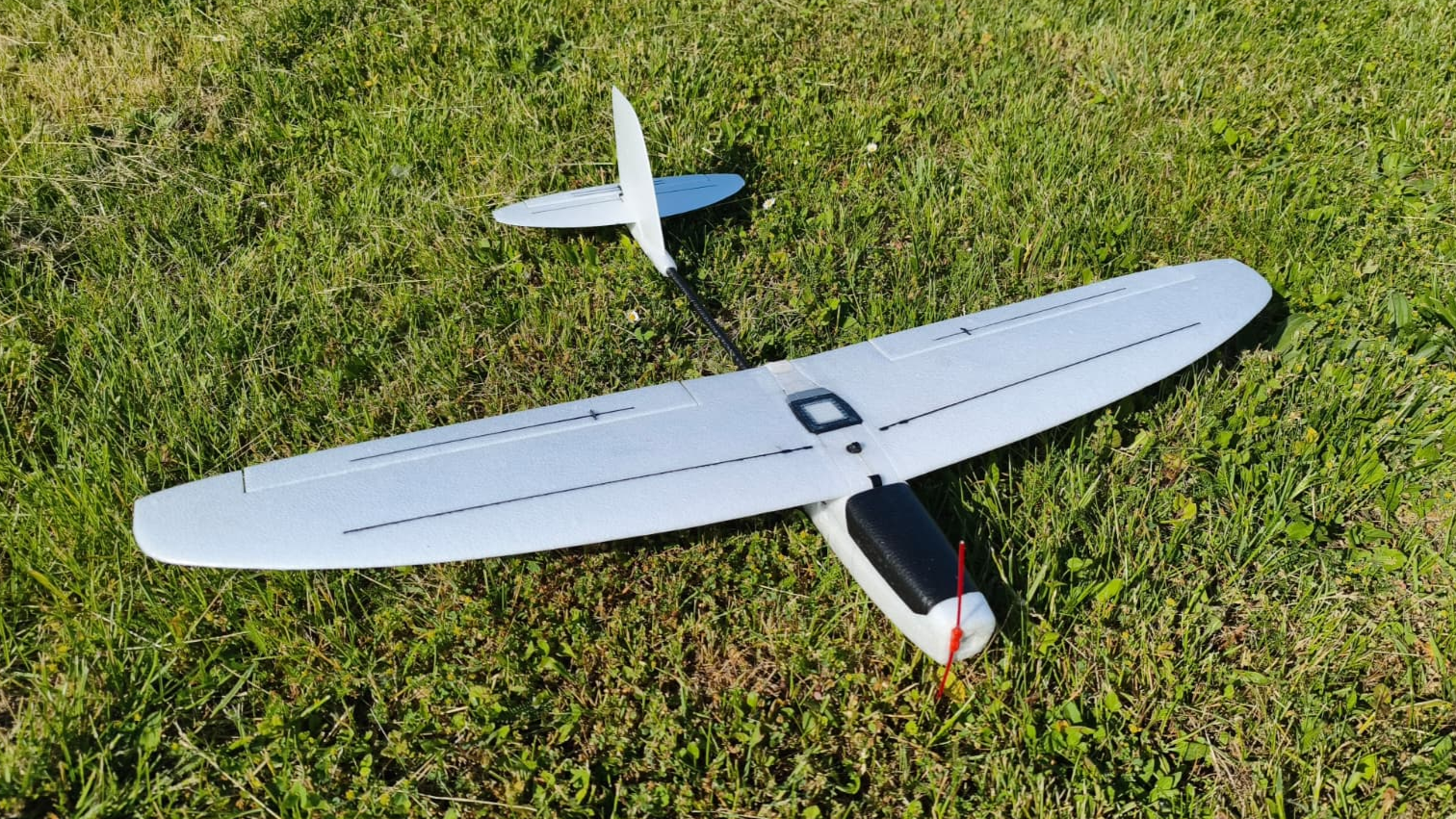
Weather services worldwide launch meteorological probes daily, and nearly all of them are lost where they land. The Straton Glider brings them home — same-day reuse, lower cost per sounding, less litter in the landscape.
Returns payloads from over 30 km with no human input — to the launch point or a predefined landing zone.
Lowers mission cost, turnaround time and environmental impact, flight after flight.
Stays under 250 g all-up weight, easing flight permissions across jurisdictions.
Deploys a parachute at low altitude for a soft landing in tight areas.
The first prototype flew 8 missions in its first year, proving reliability and precision in real-world conditions — including a fully autonomous return from 32 km altitude.
Development now focuses on the next generation:
Launch under a balloon → detach at altitude → autonomous glide home → parachute touchdown → refurbish & refly.